
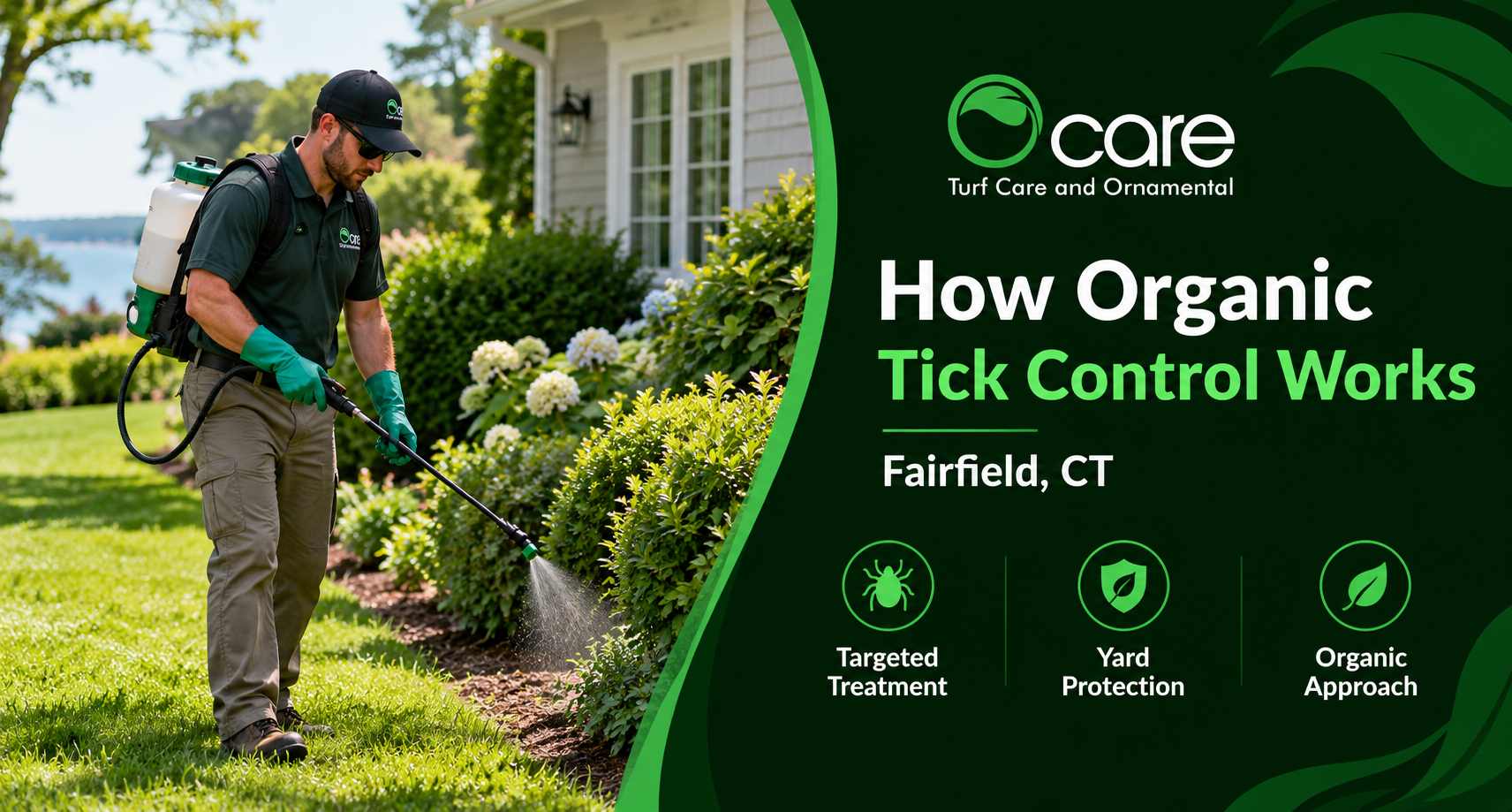
Ticks are a common concern for homeowners in Fairfield, CT, especially during the warmer months when families, children, and pets spend more time outdoors. These small pests can hide in grass, wooded edges, leaf piles, shrubs, and shaded areas of a yard. Because ticks can be difficult to notice, many homeowners look for ways to reduce their presence before they become a bigger problem.
Organic tick control focuses on managing tick activity with treatments and yard-care practices designed to be more environmentally conscious. Understanding how the process works can help homeowners decide whether it is a good option for their property. Companies such as O Care LLC provide lawn and property care services that can help homeowners maintain healthier and more comfortable outdoor spaces.
What Is Organic Tick Control?
Organic tick control is a method of reducing tick activity using products and treatment approaches that focus on naturally derived or environmentally responsible ingredients.
Rather than simply treating the entire yard without a plan, organic tick control usually focuses on areas where ticks are most likely to live and travel. These areas often include shaded sections, tall grass, landscape borders, wooded edges, brush, and places where wildlife frequently passes through.
The goal is to reduce the conditions that allow ticks to thrive while treating high-risk parts of the property.
Homeowners searching for Organic tick control services near Fairfield CT should also ask how treatments are applied and which areas of the yard receive the most attention.
Where Do Ticks Usually Hide?
Ticks prefer areas that provide moisture, shade, and protection from direct sunlight.
Common places where ticks may be found include:
- Tall grass
- Leaf litter
- Wooded property edges
- Dense shrubs
- Brush piles
- Groundcover plants
- Areas frequently visited by deer
- Shaded sections near fences or stone walls
Ticks do not usually stay in the middle of a dry, sunny lawn for long periods. They are more likely to remain around the edges of the property where vegetation is thicker.
This is why identifying tick-prone areas is an important part of an effective treatment plan.
How Are Organic Tick Treatments Applied?
Organic tick treatments are generally applied to areas where ticks are most likely to be active.
Instead of concentrating only on open lawn areas, treatment may focus on shrubs, groundcover, wooded borders, leaf litter, and transition zones between the lawn and surrounding vegetation.
The specific treatment plan can depend on the size of the property, landscaping, nearby woods, wildlife activity, and other conditions.
Professional organic tick control in Fairfield, CT can help identify which parts of a property may need the most attention.
Proper application is important because treating the right locations can be more useful than applying products randomly throughout the yard.
Why Are Multiple Treatments Sometimes Needed?
Tick control is usually not a one-time process.
Ticks can remain active throughout different parts of the year, and new ticks may enter a yard through wildlife such as deer, rodents, or other animals. Weather conditions can also affect tick activity.
Because of this, treatments may need to be repeated during the active season.
A regular treatment schedule can help manage tick populations over time instead of waiting until tick activity becomes noticeable.
The number and timing of treatments can vary depending on the property and local conditions.
How Does Yard Maintenance Support Tick Control?
Treatment alone is only one part of reducing tick activity.
Simple yard maintenance can make a property less attractive to ticks. Homeowners can help by keeping grass trimmed, removing excessive leaf buildup, cutting back overgrown shrubs, and reducing brush around frequently used areas.
Creating some separation between wooded areas and lawns may also help reduce the places where ticks can easily move into the yard.
Keeping outdoor play areas and seating spaces away from dense vegetation can provide additional separation from common tick habitats.
What Role Does Wildlife Play?
Wildlife can have a major influence on tick activity.
Deer, rodents, and other animals can carry ticks into residential yards. Properties located near wooded areas or wildlife travel routes may experience greater tick activity than more open properties.
Managing vegetation around the property and reducing conditions that attract wildlife can support a broader tick-control strategy.
For some homeowners, combining tick control with deer-management or landscape-care practices can help address more than one contributing factor.
Why Is Early Tick Prevention Important?
Homeowners often wait until they find ticks on themselves or their pets before thinking about treatment.
However, prevention can be more effective when it begins before tick activity becomes severe.
Starting early gives homeowners time to identify problem areas, improve yard conditions, and establish a treatment schedule during the active season.
It also helps make outdoor spaces more comfortable for everyday use.
Final Thoughts
Organic tick control works best as part of a broader approach that includes targeted treatments, regular yard maintenance, and attention to tick-friendly conditions around the property.
For homeowners in Fairfield, CT, understanding where ticks hide and how they move through a yard can make prevention easier. Keeping grass trimmed, removing excess leaf litter, managing dense vegetation, and using properly applied treatments can all help reduce tick activity.
Rather than waiting until ticks become a noticeable problem, homeowners can take a more proactive approach by evaluating their yard early and using a consistent prevention plan throughout the season.