
A Fairfield lawn can look winter-weary well into March, then suddenly begin growing faster than expected after a few warm, wet weeks. That narrow transition is why a thoughtful spring lawn treatment planning guide matters. The right work, timed to your lawn’s condition and the weather, helps build thicker turf before weeds, grubs, and summer stress have a chance to take hold.
Spring treatment should not mean applying every possible product as soon as the snow is gone. Connecticut lawns are typically cool-season turf grasses, and each property responds differently based on soil conditions, shade, drainage, past damage, and how the lawn was maintained last year. A professional plan starts with what the lawn actually needs, then coordinates treatments so one service supports the next.
Start With a Lawn and Landscape Assessment
Before scheduling fertilizer or weed control, walk the property with a close eye on the details. Look for thin turf, bare patches, matted leaves, snow mold symptoms, standing water, vole damage, and areas where soil has heaved over winter. These clues often explain why a lawn struggled the previous season.
Pay special attention to turf beneath mature trees and around dense ornamental beds. Shade, root competition, and restricted air movement can make these areas less responsive to standard lawn treatments. In some locations, adjusting mowing height, pruning for better light penetration, or accepting a more shade-tolerant turf mix may produce better results than simply increasing fertilizer.
A soil test is especially useful when a lawn repeatedly appears pale, thin, or mossy despite regular care. Soil testing can identify pH and nutrient imbalances, allowing treatments to be selected with purpose rather than guesswork. Lime, for example, should be used when soil results support it, not as an automatic annual application.
Set the Right Timing for Spring Fertilization
Fertilizer provides nutrients that support color, density, and recovery from winter. But more fertilizer is not always better. Heavy early-season feeding can create a quick flush of top growth while doing little to strengthen the root system needed for summer heat.
For many Fairfield properties, a measured spring application is appropriate once the lawn is actively growing and soil conditions allow equipment to move across the turf without causing compaction or rutting. The best program balances spring green-up with the lawn’s longer-term health. It also accounts for whether the property is following a traditional or organic lawn care approach.
Organic programs generally depend on slow-release nutrient sources and the gradual improvement of soil biology. They may require patience, particularly where turf is sparse or weed pressure is already high. Conventional programs can offer more immediate nutrient availability and targeted weed-control options. Neither approach is a universal fit. The best choice depends on your goals, site conditions, household preferences, and willingness to allow time for gradual improvement.
Prevent Weeds Before They Compete
Crabgrass prevention is one of the most time-sensitive elements of a spring lawn plan. A pre-emergent treatment creates a barrier that helps stop annual grassy weeds from establishing as soil temperatures rise. Applied at the proper time, it can significantly reduce summer weed pressure and the need for corrective treatments later.
There is an essential trade-off: pre-emergent crabgrass control can also interfere with new grass seed. If your lawn needs spring seeding to repair winter damage or thin areas, the timing and product selection must be coordinated carefully. Seeding first and then applying a standard pre-emergent can prevent desired grass seed from germinating. Applying the pre-emergent first can mean delaying seeding until the treatment window has passed.
For cool-season lawns in Connecticut, fall is usually the stronger season for broad overseeding and renovation. Spring seeding still has a role for smaller repairs, but it needs consistent watering and faces increasing competition from summer heat and annual weeds. A lawn professional can help determine whether to make modest spring repairs now or protect the lawn through summer and plan more substantial seeding work for fall.
Broadleaf weeds such as dandelion, clover, ground ivy, and chickweed are handled differently. Spot treatment or targeted applications are often more appropriate than treating areas that do not have a weed problem. This approach supports efficient use of materials while keeping the focus on visible turf results.
Plan Aeration Around Soil Conditions and Seeding
Compacted soil limits the movement of air, water, and nutrients into the root zone. Signs include puddling, hard ground, thinning grass along walkways, and turf that struggles where children, pets, or regular foot traffic are concentrated.
Core aeration removes small plugs of soil to relieve compaction and create channels for water and nutrients. It can be beneficial in spring when a lawn is compacted, but timing matters. Aerating wet soil can cause damage, and aerating after a pre-emergent weed-control treatment may disrupt the protective barrier. If significant overseeding is planned, fall aeration and seeding often provide a better combination for cool-season turf.
Spring aeration is most useful when there is a specific problem to solve, such as traffic-related compaction or poor water penetration. It should be part of a coordinated plan, not a routine service performed without considering the lawn’s condition.
Build Better Weekly Lawn Habits
Professional treatments work best when regular maintenance supports them. Start mowing when the lawn is dry enough to avoid tearing turf or leaving wheel marks. Keep mower blades sharp, and avoid cutting off more than one-third of the grass blade at a time. For many residential lawns, maintaining a slightly taller mowing height improves shade at the soil surface, helps conserve moisture, and supports stronger roots.
Leave short grass clippings on the lawn when they are not clumped. They return nutrients to the soil and do not cause thatch. Thatch is primarily a layer of undecomposed stems and roots, not a buildup of normal clippings.
Watering needs are often limited in early spring because rainfall is common, but newly seeded areas are an exception. Seed requires consistent surface moisture during germination. Established lawns generally benefit more from deeper, less frequent watering as temperatures rise, rather than daily shallow watering that encourages weak roots.
Include Grub, Tick, and Perimeter Pest Planning
A spring lawn plan should account for pest pressure even when no active damage is visible. White grubs can attract skunks, raccoons, and birds that tear at turf while feeding. Preventive grub control is generally scheduled ahead of the period when young grubs establish, while curative treatment timing depends on the pest’s life stage and the severity of damage.
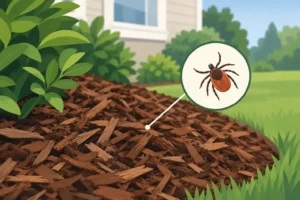
Tick control deserves its own strategy, particularly for homes near woods, stone walls, leaf litter, or deer travel corridors. Tick activity can begin earlier than many homeowners expect. Organic tick control options, landscape sanitation, and attention to high-risk property edges can help make lawns and outdoor living spaces more usable.
Deer pressure can also shape spring planning. Browsing on emerging ornamental growth can damage shrubs before homeowners notice how much has been removed. A dependable deer-repellent schedule is more effective when it begins before feeding patterns become established, especially around prized plantings and property borders.
Do Not Separate Lawn Health From Tree and Plant Health
The lawn, trees, and ornamentals share the same site conditions. A struggling lawn beneath a mature maple may be dealing with shade and surface roots, while yellowing shrubs near a driveway may be responding to winter salt exposure or poor drainage. Treating the lawn alone will not resolve every landscape concern.
Spring is a practical time to inspect trees for broken limbs, storm damage, dead branches, and early signs of decline. Pruning, plant health care, deep root feeding, and tree diagnostics can protect both the appearance and safety of the property. O Care LLC evaluates turf and ornamental needs together, helping homeowners make decisions that fit the whole landscape rather than treating each issue in isolation.
A Spring Plan Should Leave Room for Adjustment
Weather is never on a fixed schedule in Fairfield. A cool, wet spring can delay applications and increase disease pressure, while an early warm spell can accelerate weed germination. The strongest treatment plans set a clear seasonal direction but remain flexible enough to respond to what is happening on the property.
A greener lawn is not created by one spring visit. It is built through accurate diagnosis, properly timed treatments, sound mowing and watering habits, and steady attention through each season. Starting with a plan now gives your lawn the best chance to stay dense, healthy, and enjoyable when summer arrives.