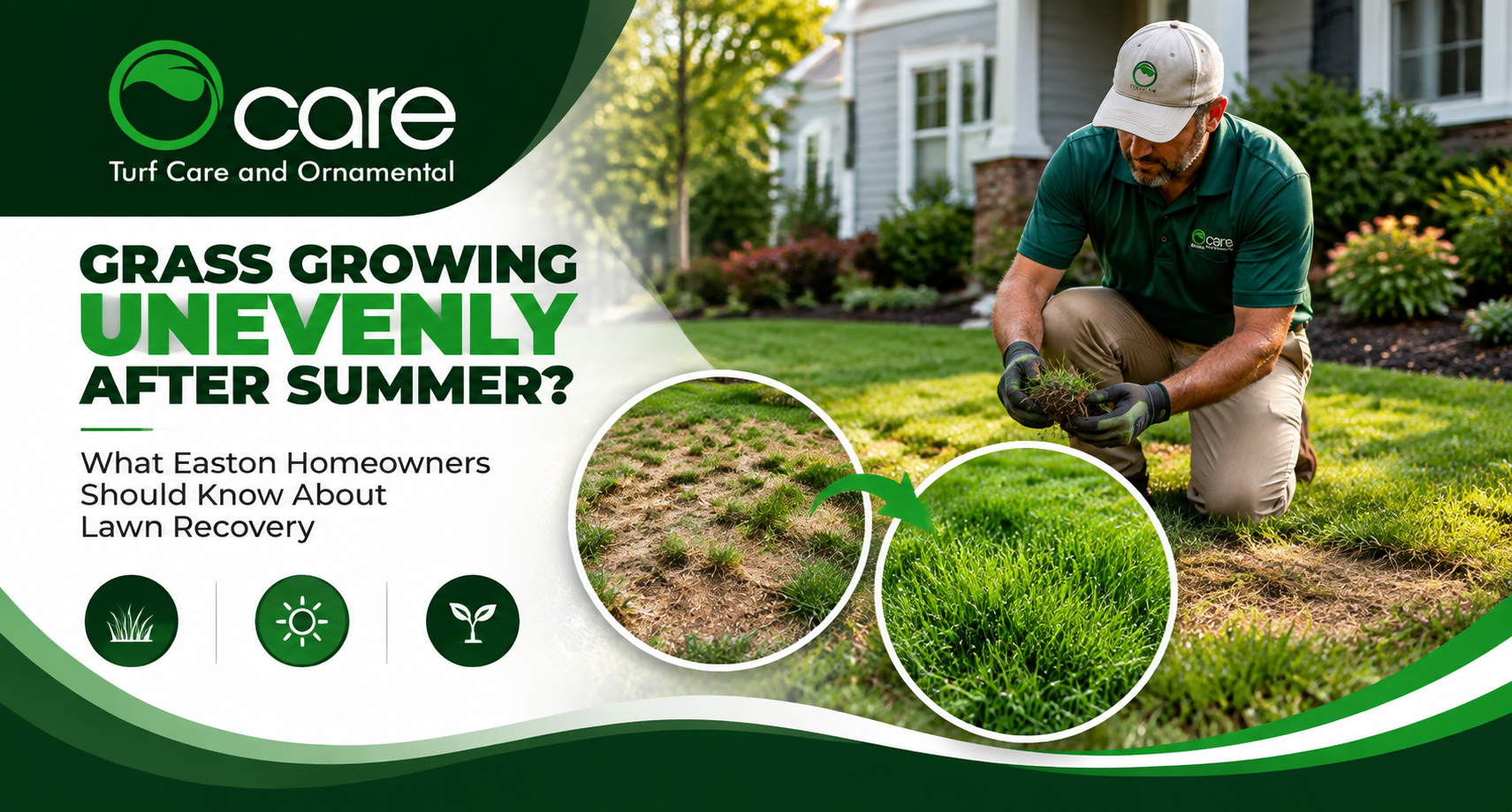
Summer can be a challenging season for lawns. Hot temperatures, changing rainfall patterns, heavy foot traffic, and outdoor activities can all affect grass health. By the end of summer, many Easton homeowners notice that their lawn no longer looks as full and even as it did earlier in the year.
Some areas may appear thick and green, while others may look thin, patchy, or slow to recover. Uneven grass growth is a common lawn issue, but it often indicates that certain areas of the yard are experiencing different growing conditions.
Understanding why grass grows unevenly and knowing how to support lawn recovery can help homeowners improve the health and appearance of their outdoor spaces.
Why Grass Often Struggles After Summer
Summer conditions can put stress on grass in several ways.
Long periods of heat can cause soil to dry out, while heavy storms can lead to water runoff instead of deep soil absorption. Areas of the lawn that receive more sunlight may dry faster, while shaded sections may have different moisture levels.
Other common causes of uneven grass growth include:
- Soil compaction from foot traffic
- Lack of nutrients
- Poor drainage
- Excessive thatch buildup
- Different grass varieties growing together
- Damage from outdoor activities or pets
A lawn is not always affected evenly because different areas of the property have different conditions.
Check Soil Conditions Before Treating the Lawn
Healthy grass depends heavily on healthy soil.
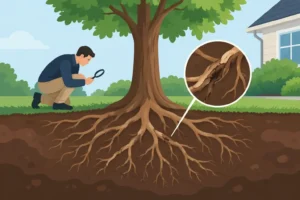
Compacted soil can prevent water, air, and nutrients from reaching grass roots. This often results in weak growth, especially in areas where people frequently walk, children play, or outdoor furniture is placed.
Homeowners may notice that some areas remain thin even when other parts of the lawn look healthy. In many cases, the issue is not the grass itself but the condition underneath it.
Improving soil quality can help create better conditions for stronger and more consistent lawn growth.
Watering Habits Can Affect Lawn Recovery
After summer stress, proper watering becomes important for helping grass recover.
Many homeowners water their lawns frequently but do not always provide enough moisture to reach deeper soil layers. Light, frequent watering may encourage shallow root growth, while deeper watering can help roots become stronger.
However, watering needs can vary depending on:
- Soil type
- Sun exposure
- Drainage conditions
- Weather patterns
- Grass variety
Areas that dry faster may require different attention than shaded or naturally moist sections of the yard.
Understand the Impact of Sunlight and Shade
Not every part of a lawn receives the same growing conditions.
Grass growing in full sunlight usually has different needs compared with grass growing under trees or near structures. Shaded areas may receive less sunlight and compete with tree roots for moisture and nutrients.
If certain sections of your lawn repeatedly struggle, the cause may be related to the environment around that area rather than a lack of general lawn care.
Understanding these differences helps homeowners choose the right approach for each part of their property.
Seasonal Lawn Care Helps Restore Damaged Areas
Fall is often an important time for lawn recovery because temperatures become more favorable for grass growth.
Cooler weather and increased moisture can help grass establish stronger roots. Depending on the condition of the lawn, homeowners may consider practices such as:
- Improving soil conditions
- Adding nutrients
- Overseeding thin areas
- Managing weeds
- Adjusting watering routines
A consistent lawn care approach can help repair damage caused by summer stress and prepare the lawn for future seasons.
Professional Maintenance Can Address Hidden Problems
Sometimes uneven grass growth continues because the underlying problem has not been identified.
Professional lawn care providers evaluate factors such as soil health, grass condition, nutrient needs, and environmental conditions. This helps create a more targeted plan rather than treating every area of the lawn the same way.
Homeowners searching for a Lawn maintenance company near me Easton can benefit from professional guidance that focuses on improving long-term lawn health.
Do Not Ignore Weak Lawn Areas
Small thin patches may seem like a minor cosmetic issue, but they can become larger problems over time.
Weak grass areas can create opportunities for:
- Weed growth
- Soil erosion
- Increased pest activity
- More lawn damage during future weather changes
Addressing these areas early can help maintain a healthier and more balanced lawn.
Lawn Health and Outdoor Pest Prevention Work Together
A strong, maintained lawn is also an important part of creating a better outdoor environment.
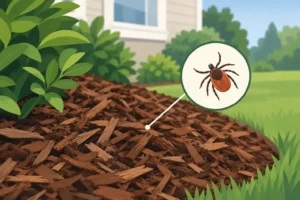
Overgrown grass, unmanaged vegetation, and areas with excessive organic debris can create conditions where outdoor pests may become more noticeable. Maintaining the yard properly can support overall property care.
For homeowners concerned about outdoor pests, services such as Organic tick control services near Fairfield CT can be part of a broader approach to maintaining a healthier outdoor space.
Final Thoughts
Uneven grass growth after summer is a common concern for Easton homeowners, but it does not always mean the lawn cannot recover. Heat stress, soil conditions, watering habits, sunlight differences, and seasonal changes all play a role in lawn health.
The best approach is to understand why certain areas are struggling and address the specific conditions affecting the grass. With proper maintenance, soil care, and attention to seasonal needs, homeowners can help their lawn become healthier, thicker, and more consistent.
A well-maintained lawn is not only more attractive but also creates a more enjoyable outdoor space for families throughout the year.